

The three foundation weaves
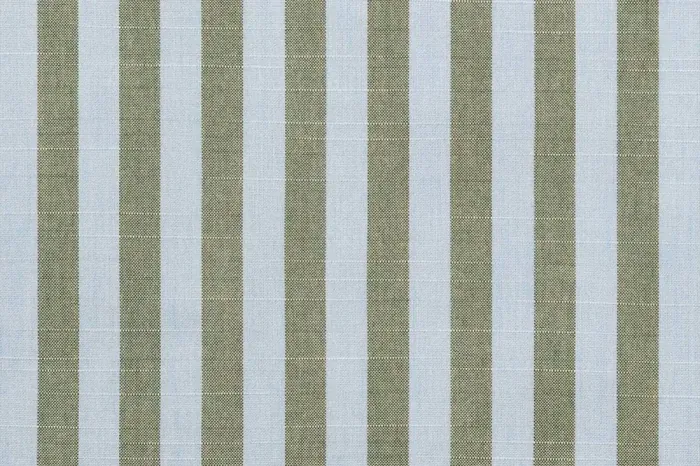
- Plain weave — over-one, under-one. The tightest, most stable and most abrasion-resistant construction. Used for hard-wearing workhorse fabrics; the surface is flat and matte.
- Twill weave — diagonal step (e.g. 2/1, 2/2). Softens the hand, adds drape and hides soiling between the floats. The classic structure for denim-like upholstery and elegant drape.
- Satin / sateen weave — long floats create a smooth, lustrous surface. Gorgeous hand and sheen, but the floats make it more vulnerable to snagging and abrasion.
Beyond the basics: dobby and jacquard
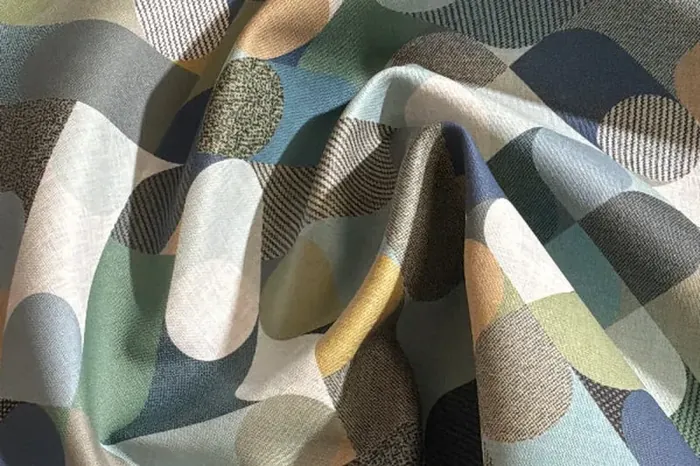
Dobby weaves introduce small geometric patterns through additional heald shafts; jacquard weaves control every single warp thread independently, producing unlimited large-scale patterns — the technology behind damask, brocade and custom logos.
How weave affects your application
- High-traffic seating → plain or tight twill; avoid long satin floats.
- Elegant drape & formal looks → twill and satin structures.
- Branded patterns and upholstery art → jacquard, with its design freedom.
Weave structure is the skeleton of the fabric — before you negotiate price, confirm the construction; it is the cheapest way to predict performance and the most expensive mistake to ignore.
A fabric's memory lives in its weave.
— KCK.Fabric Trade Team
Comments (3)
“Exactly the breakdown we needed before committing to a private-label run.”
“We switched to compressed models last season and warehouse cost dropped noticeably.”
“Quality held up well after unboxing. Foam recovery was faster than expected.”