

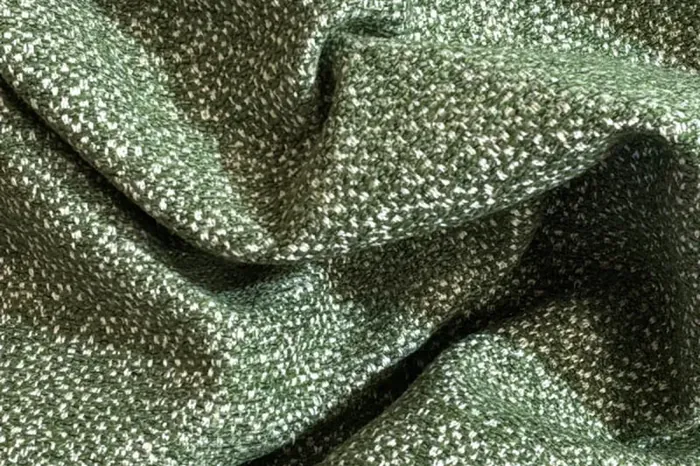
Composition: the fibre recipe
The label's fibre percentage is the fabric's DNA. A 100% polyester cloth is durable and stain-resistant; a polyester/viscose blend adds drape and softness; adding cotton improves breathability but lowers rub life. Always read the full blend — "polyester" alone tells you very little about feel.
Yarn count: how fine the threads are
- Denier / dtex — used for filament yarns; lower dtex means finer, softer yarn (e.g. 150D vs 600D outdoor cloth).
- Ne count — used for spun yarns; higher Ne means finer, more expensive yarn (e.g. Ne 30 vs Ne 10).
- Finer yarns pack more threads per inch, giving smoother hand and higher density — but also higher cost.
GSM and density: the weight that matters
GSM (grams per square metre) is the density metric buyers quote first:
- 200–350 GSM — light upholstery, throws, curtains.
- 350–500 GSM — standard residential sofa fabric.
- 500+ GSM — heavy contract and outdoor performance cloth.
Density is the hidden driver of performance: at equal composition, a heavier, tighter weave resists abrasion and sagging better. When comparing quotes, compare GSM and yarn count — not just price per metre.
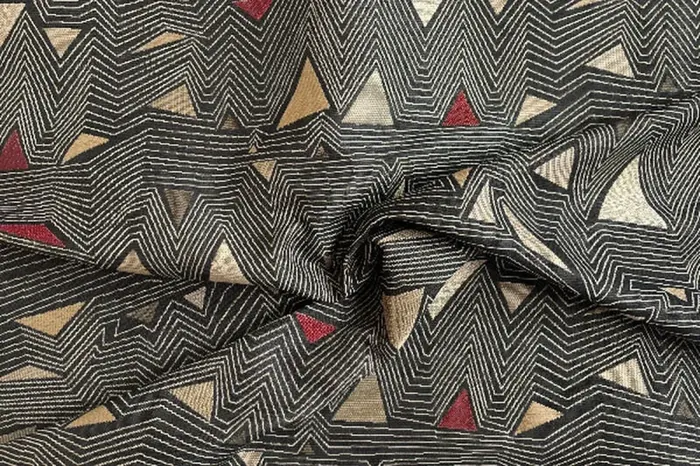
Composition is the recipe; density is the seasoning.
— KCK.Fabric Trade Team
Comments (3)
“Exactly the breakdown we needed before committing to a private-label run.”
“We switched to compressed models last season and warehouse cost dropped noticeably.”
“Quality held up well after unboxing. Foam recovery was faster than expected.”