

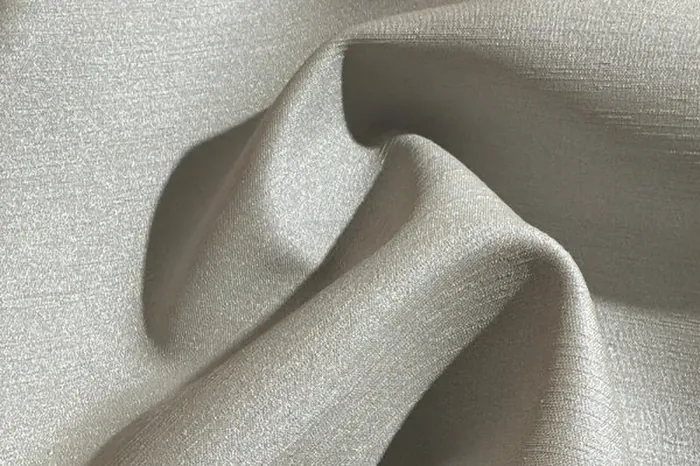
What actually makes a fabric "outdoor"?
An outdoor fabric must survive three enemies at once: UV radiation, moisture and microbial growth. Each one attacks a different part of the textile.
- UV resistance — the fibre must not degrade or fade under sunlight. Solution-dyed acrylic or polyester keeps colour locked in the yarn, not just on the surface.
- Water repellency vs waterproofing — repellent finishes (DWR, C6/C0) make water bead and roll off; waterproof membranes or laminates stop water passage entirely.
- Quick-dry construction — open weaves and moisture-wicking fibres prevent waterlogging and mildew.
- Anti-microbial / anti-mildew — essential for humid climates and marine applications.
Solution-dyed vs piece-dyed
The single most important specification decision: solution-dyed yarn is coloured before spinning, so the pigment is inside every fibre. Piece-dyed cloth is coloured after weaving. For outdoor products, solution-dyed fabric resists fading 5–10 times longer under direct sun — at a modest cost premium.
Specifying for your market
- Define the climate: coastal salt air, desert UV, or temperate rain.
- Set minimum lightfastness (Blue Wool scale 6–7 for outdoor).
- Choose repellent, resistant or waterproof by the product's exposure level.
- Request hydrostatic head and UV test reports before ordering bulk.
Outdoor fabric is a specification product — the numbers on the datasheet, not the look in the showroom, decide whether your cushions survive the second season.
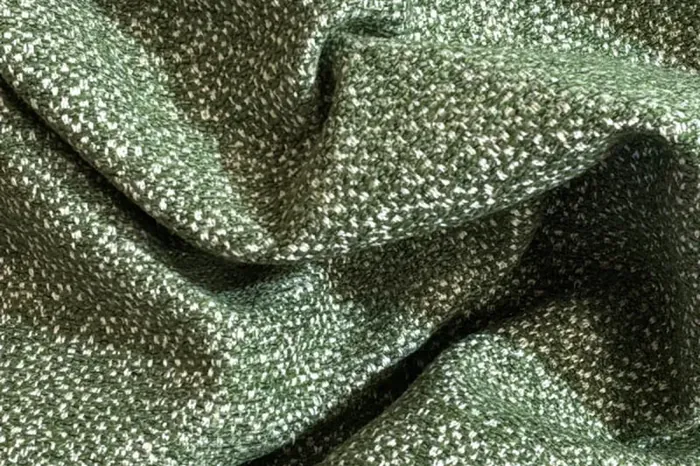
Sun, rain and salt air are the toughest inspectors — outdoor fabric must pass them all.
— KCK.Fabric Trade Team
Comments (3)
“Exactly the breakdown we needed before committing to a private-label run.”
“We switched to compressed models last season and warehouse cost dropped noticeably.”
“Quality held up well after unboxing. Foam recovery was faster than expected.”