

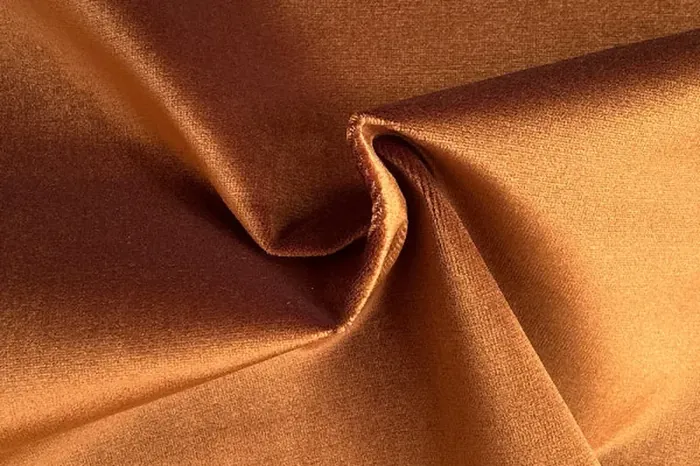
What is bamboo fabric?
Bamboo fabric is made from the pulp of fast-growing bamboo grass. Depending on the process, it can be a viscose/rayon (chemically regenerated), a lyocell-style (closed-loop solvent) or a mechanically crushed "bamboo linen" — and the three are very different products.
Three routes, three fabrics
- Bamboo viscose — soft, silky and drapable; the most common. Uses chemical processing, so its "green" claim depends on recovery and certification.
- Bamboo lyocell — closed-loop solvent process; low chemical waste, high durability, premium feel.
- Bamboo linen (mechanically processed) — retains fibre structure; more textured and durable, like flax linen.
Performance at a glance
- Softness — among the softest natural fibres; comparable to silk in hand feel.
- Breathability — excellent moisture absorption and air flow.
- Antibacterial tendency — bamboo fibre shows natural antibacterial properties (though processing can reduce them).
- Care — gentle wash, cool temperature, air dry.
Buyer checklist
- Ask which manufacturing route the fibre uses — viscose, lyocell or mechanical.
- Request the certification behind the eco claim (OEKO-TEX, FSC pulp source, closed-loop process).
- Verify blend ratio — "bamboo" is often blended with cotton or polyester.
Bamboo fabric can be a genuine sustainable choice — or greenwash. Ask the process questions, not just the marketing answer.
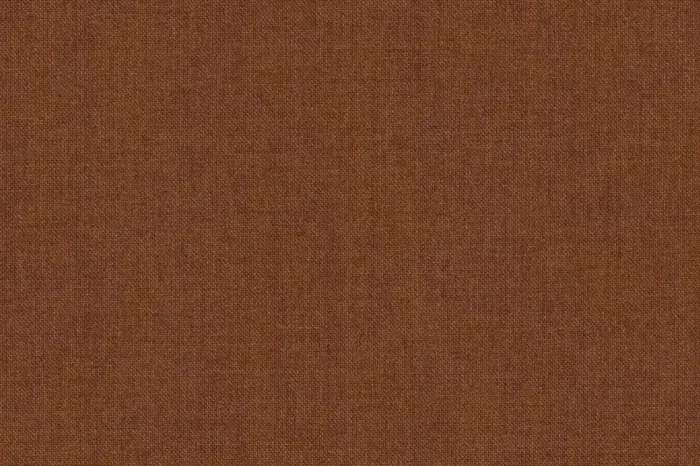
Bamboo grows fast — but the processing decides how green it really is.
— KCK.Fabric Trade Team
Comments (3)
“Exactly the breakdown we needed before committing to a private-label run.”
“We switched to compressed models last season and warehouse cost dropped noticeably.”
“Quality held up well after unboxing. Foam recovery was faster than expected.”