


Start with construction: woven vs knitted
Every upholstery fabric begins as either a woven or a knitted cloth, and the difference decides almost everything else.
- Woven fabrics — plain, twill, satin and jacquard constructions. Tight interlacing gives them higher dimensional stability, crisper tailoring and better abrasion resistance. The standard choice for sofas and contract seating.
- Knitted fabrics — stretchy, soft and quick to produce. Ideal for loose covers and modern relaxed silhouettes, but they recover less firmly and can sag over time.
Fibre families and what they promise
- Polyester — the workhorse: strong, colourfast, stain-resistant and low-cost. Blended with cotton or viscose it gains softness without losing durability.
- Polypropylene — extremely hard-wearing and water-resistant; a favourite for indoor-outdoor and heavy-use seating.
- Acrylic — the classic outdoor choice. Its wool-like hand resists UV fading far better than most synthetics.
- Cotton & linen — breathable, natural and luxurious, but with lower rub life unless blended or treated.
- PU & leather-look — easy to wipe clean, popular in hospitality and kid-friendly homes.
How buyers should shortlist
- Match construction and fibre to the end use (residential, contract, outdoor).
- Check abrasion (Martindale/Wyzenbeek), pilling and lightfastness data.
- Confirm care code and cleaning method with your market.
- Request a physical sample and burn-test the colour in your own light.
The right fabric is not the cheapest one — it is the one whose performance profile matches the product promise you sell.
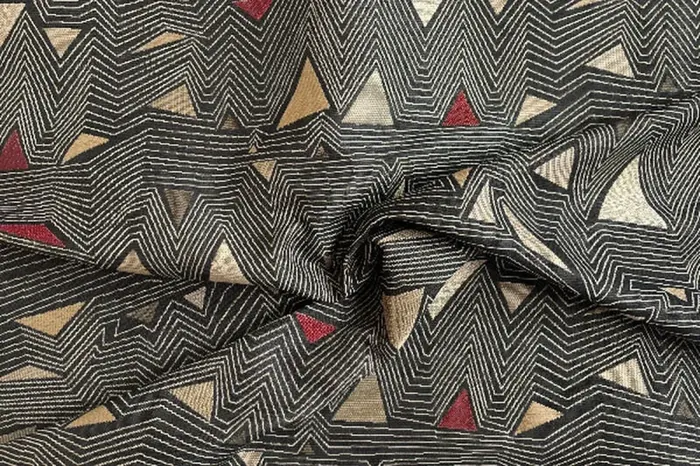
A fabric is a decision made in advance — choose it once, and it serves you for years.
— KCK.Fabric Sourcing Notes
Comments (3)
“Exactly the breakdown we needed before committing to a private-label run.”
“We switched to compressed models last season and warehouse cost dropped noticeably.”
“Quality held up well after unboxing. Foam recovery was faster than expected.”